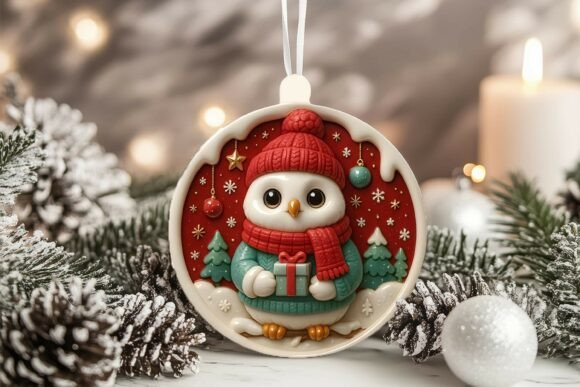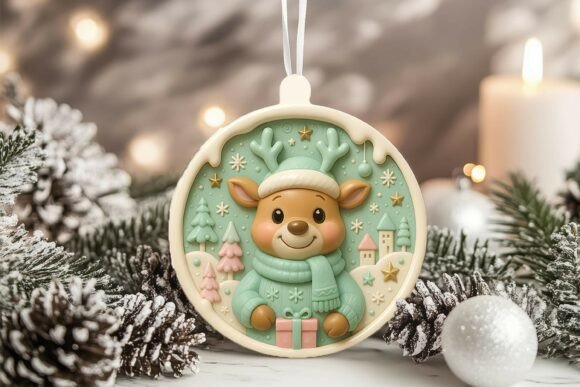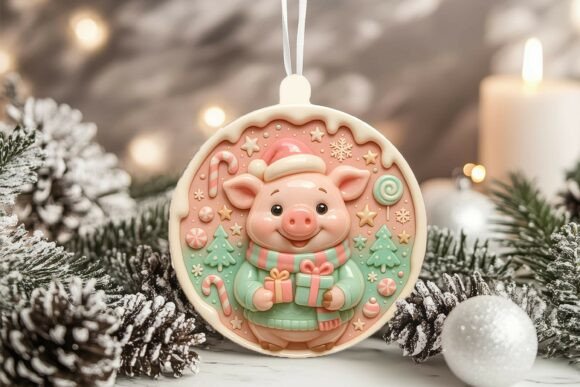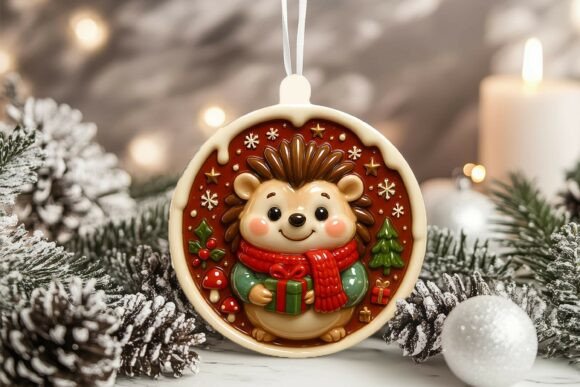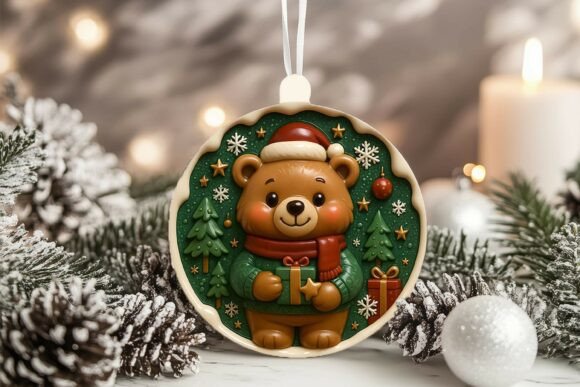
3D Porcelain Capybara Christmas Ornament
As an embroidery designer who has stitched thousands of files for everything from high-volume commercial orders to delicate one-off gifts, I have learned to look past the pretty preview image. When a new design drops in the Illustrations category, my first instinct is not just to admire it, but to interrogate it. Will it hold up on a sweatshirt? Will the details get lost in a tote bag? Today, I am putting the 3D Porcelain Capybara Christmas Ornament file under that same microscope. This is not just about whether the design looks cute; it is about whether it functions as a viable asset for your craft business, your Etsy shop, or your personal holiday gifting list.
The First Impression: Mood and Visual Personality
When you load this file into your digitizing software, the immediate takeaway is its cozy, festive charm. The subject matter—a capybara dressed as a classic porcelain ornament—hits that sweet spot of modern internet culture mixed with traditional holiday nostalgia. It is whimsical without being childish, which makes it surprisingly versatile. For a small business owner, this is gold. It appeals to the millennial demographic that loves unique, slightly quirky animal themes, while still feeling appropriate for a family-oriented holiday market.
The visual personality of the 3D Porcelain Capybara Christmas Ornament suggests a soft, rounded aesthetic. Unlike sharp, geometric designs that can feel cold or industrial, this design invites touch. It feels like something you would want to hang on a tree or stitch onto a warm winter accessory. The layout appears balanced, likely centered, which gives you flexibility in how you place it on various garments and accessories. It does not scream for attention with aggressive colors or chaotic shapes; instead, it whispers comfort. That subtle confidence is exactly what drives sales in the handmade gift market.
Real-World Application: Where This Design Shines
I recently considered using this design for a batch of custom holiday gifts for local clients, and I quickly identified several strong candidates where this machine embroidery design would excel. Let’s walk through some practical scenarios.
- Holiday Embroidery on Apparel: This is perhaps the strongest use case. Imagine this capybara placed on the front left chest of a cream-colored or forest green sweatshirt. The contrast between the soft fabric texture and the detailed stitching creates a premium feel. It works equally well on t-shirts for casual holiday parties, offering a fun conversation starter that isn’t overly loud.
- Baby Embroidery and Nursery Decor: The gentle nature of the capybara makes it perfect for baby items. Stitching this onto a muslin burp cloth, a hooded towel, or a onesie adds a layer of tenderness. Parents are looking for items that feel safe and sweet, and this design delivers that emotional connection. It also translates beautifully to nursery wall art if you choose to frame a finished piece.
- Personalized Gift Accessories: Think beyond clothing. This embroidery project is ideal for kitchen towels, tea towels, or aprons. A baker receiving a custom apron with this motif would likely be delighted. It fits the "home" vibe perfectly. Additionally, consider embroidered patches that can be sewn onto denim jackets or backpacks, extending the life of the design beyond a single garment.
- Etsy Seller and Craft Fair Products: If you are an Etsy seller or preparing for craft fairs, this design offers high perceived value. It looks expensive but is relatively straightforward to produce. You can create bundles, such as a matching set of ornaments and a mug, leveraging the same visual theme to increase average order value.
Technical Considerations and Potential Pitfalls
While the concept is strong, no design is flawless, and every embroiderer knows that execution is everything. Here is where you need to be careful when working with the 3D Porcelain Capybara Christmas Ornament.
Stitch Density and Detail: Because the design mimics a porcelain object, it likely relies on smooth fills and possibly satin stitches for outlines. You must check the stitch density closely. If the density is too high, the fabric may pucker, especially on lighter materials. If it is too low, the fine details of the capybara’s face might disappear after washing. Always inspect the small details in your software before committing to a final run.
Fabric Selection: This design will struggle on stretchy fabrics like thin jersey unless you use a heavy-duty stabilizer. On textured fabrics like bouclé or thick chenille, the intricate details might get lost in the weave. I recommend testing this on stable cotton blends, fleece, or canvas. Dark fabrics require careful thread color selection; ensure the highlights of the "porcelain" effect pop against the background. A black and white mockup test can help you verify contrast levels.
Hoop Size Constraints: While the design is likely scalable, remember that shrinking it down too far can ruin the character. Do not attempt to fit this into a tiny hoop size meant for monograms. It needs enough breathing room to let the shape breathe. Conversely, on very large hoops, ensure the machine can handle the jump stitches efficiently to avoid excessive trimming time.
Practical Designer Notes for Success
To ensure your finished product looks professional and sells well, follow these best practices derived from real-world experience.
- Test on Scrap Fabric: Never skip this step. Run the design on the exact fabric you plan to sell or gift. Check for puckering, thread breaks, and registration accuracy.
- Stabilizer Choice: Use the right stabilizer. For knitwear like sweatshirts, a cut-away stabilizer is non-negotiable to prevent stretching over time. For woven items like tote bags, a tear-away might suffice if the design is light, but a wash-away or cut-away provides better longevity.
- Thread Color Contrast: Pay close attention to thread colors. The porcelain effect relies on subtle shading. If your thread palette is muddy or lacks sufficient contrast, the 3D illusion will fail. Test your threads under natural lighting to see how they truly render.
- Licensing and Commercial Use: Before you start listing this on your shop, confirm the licensing terms. Does the purchase allow for commercial use of the digital embroidery file? Are there restrictions on the number of units you can sell? Clearing these rights protects your brand reputation and legal standing.
- Mockup Presentation: When creating printable mockups for your online store, show the design on varied backgrounds. Show it on a snowy backdrop, a wooden table, and on a person wearing it. This helps customers visualize the handmade product in their own lives.
Final Verdict
The 3D Porcelain Capybara Christmas Ornament is a solid addition to any embroiderer’s library. It balances trendiness with timeless holiday appeal. It is not just a novelty item; it is a functional design that can elevate simple products into memorable gifts. By paying attention to fabric choice, stabilizer support, and stitch quality, you can turn this digital asset into a tangible success. Whether you are making a single personalized gift for a friend or scaling up production for your craft business, this design offers the kind of quiet charm that keeps customers coming back. Just remember: good embroidery is about more than just the file—it is about the care you put into every stitch.