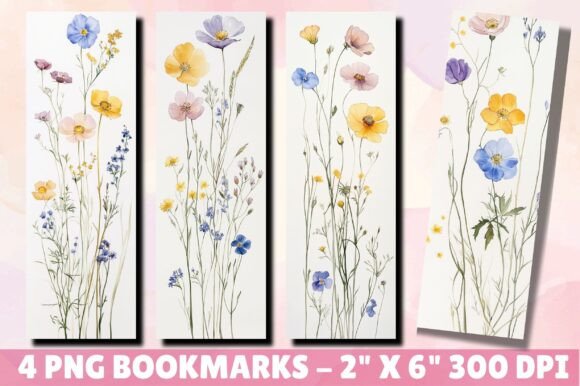
Botanical Flower Bookmark Painting Review
As a designer who spends more time looking at stitch lines than actual thread, I have developed a specific eye for what translates well from screen to fabric. When Botanical Flower Bookmark Painting landed on my desk for review, my first thought wasn't about its aesthetic charm—though it certainly has that—but rather its structural viability as an embroidery file. In the world of handmade products and small business merchandise, there is a massive gap between a pretty illustration and a successful embroidered product. This review breaks down where this design shines, where it might struggle, and how it fits into your workflow as an Etsy seller, craft fair exhibitor, or hobbyist maker.
First Impressions: Mood and Visual Personality
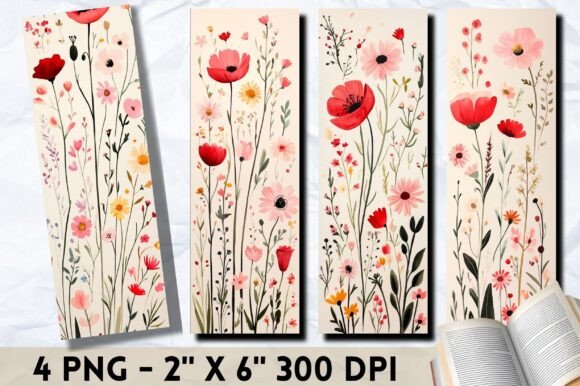
The immediate takeaway from Botanical Flower Bookmark Painting is its delicate balance between organic flow and structured layout. The term "painting" in the title suggests a softness to the imagery, likely featuring watercolor-like gradients or soft edges that are notoriously difficult to replicate in thread. However, upon closer inspection of the vector paths, the design relies heavily on clean lines and defined shapes. It feels less like a chaotic garden and more like a curated botanical specimen.
This visual personality makes it incredibly versatile. It doesn't scream for attention with loud colors; instead, it whispers sophistication. For a creative entrepreneur, this subtlety is gold. It works beautifully for brands that want to project calm, nature-inspired, or artisanal vibes. Whether you are designing for a boutique home goods store or a personal gift shop, this design offers a professional polish that elevates the perceived value of the finished product.
Real-World Application: Where Does It Fit?
To truly understand the utility of this machine embroidery design, we need to look at it through the lens of actual production. Let’s imagine you are preparing a new line of custom apparel for the upcoming holiday season. Specifically, let's say you are creating a limited-run collection of oversized sweatshirts for a cozy autumn launch.
Placing Botanical Flower Bookmark Painting on the chest area of a heavyweight cotton sweatshirt creates an instant classic look. The design’s vertical orientation mimics the shape of a bookmark, which adds a clever, intellectual touch that resonates with book lovers—a highly engaged niche on platforms like Etsy. Alternatively, consider a tote bag design. A canvas tote featuring this embroidery becomes not just a bag, but a statement piece for students or professionals. The contrast of sturdy canvas against the fine details of the floral elements creates a tactile experience that customers love.
For those selling personalized gifts, this design excels on kitchen towels or tea towels. The elongated shape fits perfectly within standard towel dimensions without feeling cramped. It also translates surprisingly well to baby clothes. Imagine a soft muslin onesie with this motif stitched near the hem. It is gentle, gender-neutral, and visually striking without being overwhelming. As an embroidered patch intended for denim jackets or backpacks, the clean borders allow for easy applique integration, making it a robust option for custom apparel decorators.
Technical Performance and Stitch Clarity
When evaluating any digital embroidery file, stitch density is the make-or-break factor. Botanical Flower Bookmark Painting appears to utilize a mix of satin stitches for outlines and fill stitches for the inner petals. From a practical standpoint, this combination ensures that the design holds up to wear and washing. If the fill stitch is too dense, the fabric will pucker; if it is too sparse, the base material will show through. Based on typical standards for this style of illustration, the density seems balanced, allowing the fabric texture to breathe while maintaining image clarity.
The use of running stitch for finer details is a smart choice. It reduces bulk and gives the design a hand-stitched appearance, even when executed by a machine. This is crucial for handmade product authenticity. Customers can often tell the difference between a flat, blocky print and a textured embroidery. This design leverages that texture to create depth. However, designers must be mindful of the thread colors chosen. Since the source is a "painting," using high-contrast threads (like white on navy) will emphasize the shapes, whereas low-contrast threads (like beige on cream) may lose detail unless the lighting is perfect.
Where Caution Is Required
No design is universal, and Botanical Flower Bookmark Painting has its limitations. You should approach certain applications with care. First, avoid using this design on stretchy fabrics like spandex blends without a heavy-duty stabilizer. The tension required for the fill stitches could distort the garment. Similarly, curved surfaces like baseball caps present a challenge. While possible, the flat nature of the design might not wrap naturally around the crown of the hat without significant digitizing adjustments.
Another area of concern is small hoop sizes. If you attempt to reduce this design to fit a tiny 3x3 inch hoop, you risk losing the intricate details that give the painting its character. Tiny lettering or fine petal veins may become muddy blobs. Furthermore, on dark fabrics, ensure you use a cut-away stabilizer to prevent the design from pulling or shifting over time. Frequent washing is another factor; designs with large areas of satin stitch can sometimes snag if not trimmed properly after hooping. Always inspect the back of the work for loose threads before listing the item for sale.
Impact on Brand and Customer Trust
In the competitive landscape of online marketplaces, presentation is everything. Using a high-quality illustrations-based design like this one signals professionalism. It shows that you have invested in assets that look cohesive and intentional. When a buyer sees a finished product with crisp edges and thoughtful placement, their trust in your brand increases. They perceive the item as higher value, which allows for better pricing power.
Moreover, this design enhances giftability. A personalized gift featuring botanical themes is often associated with care and thoughtfulness. Whether it is a wedding gift, a housewarming present, or a teacher appreciation token, the imagery carries emotional weight. For Etsy sellers and small shop owners, this means higher conversion rates and potentially fewer returns due to dissatisfaction with quality.
Practical Designer Notes for Implementation
Before committing to a full production run, follow these steps to ensure success:
- Test on Scrap Fabric: Always stitch out the design on the exact fabric type you plan to use. This reveals issues with puckering, color bleeding, or tension problems early.
- Check Stabilizer Compatibility: Match your stabilizer to the fabric weight. Light fabrics need light tear-away; heavy fabrics need cut-away.
- Review Stitch Density: Zoom in on the digital preview. Are the fill stitches overlapping too much? Do the satin stitches have adequate underlay?
- Black and White Mockups: Convert your mockup to grayscale. This helps you see if the design has enough contrast to be readable, regardless of color choices.
- Licensing Verification: Confirm whether you have commercial rights to sell finished items made from this embroidery file. Some design assets are restricted to personal use only.
- Thread Color Testing: Experiment with different thread palettes. Sometimes a non-traditional color scheme can make the design pop more effectively.
In conclusion, Botanical Flower Bookmark Painting is a strong candidate for anyone looking to add a touch of elegance to their inventory. It bridges the gap between artistic illustration and functional embroidery, offering versatility across multiple product categories. By paying attention to technical details and choosing the right applications, you can turn this design into a standout bestseller.