Cranberry Spice Clipart: A Review for Bloggers and Digital Publishers
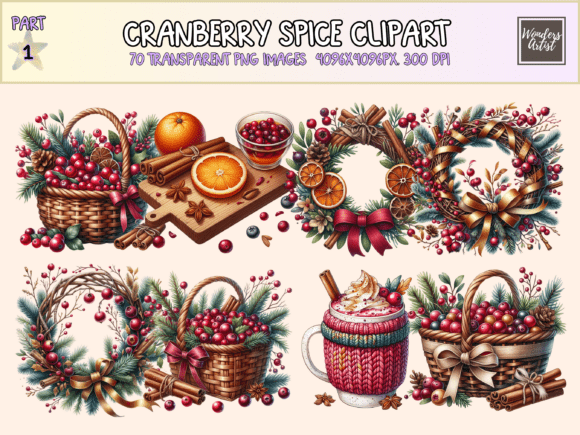
In the world of digital publishing, visual communication is not merely decorative; it is functional. As a blog designer who has spent years optimizing content for readability, engagement, and conversion, I approach every graphic design asset with a critical eye. Today, we are reviewing Cranberry Spice Clipart, an Illustrations product that promises to bring warmth and seasonal character to digital spaces. This review focuses on its utility for real-world editorial projects, website presentation, and content marketing strategies.
The First Impression: Editorial Mood and Reader Perception
When you first load Cranberry Spice Clipart into your design workspace, the immediate takeaway is its ability to set a specific tone. The color palette—rich reds, deep oranges, and earthy neutrals—evokes a sense of comfort, nostalgia, and sophistication. For bloggers and content creators, this translates directly to reader perception. It suggests that the content behind the image is curated, thoughtful, and high-quality.
This asset feels lifestyle-focused yet professional enough for serious editorial use. It avoids being overly childish or chaotic, which is crucial for maintaining reader trust. Whether you are running a food blog, a lifestyle brand, or an educational platform, this clipart supports a narrative that is both inviting and authoritative. It fits naturally into niches such as home decor, autumnal recipes, wellness routines, and creative entrepreneurship.
Real-World Publishing Workflows
Let’s imagine a typical week in the life of a digital publisher. You are preparing a series of articles on fall hosting, creating a downloadable checklist for holiday meal planning, and designing a newsletter banner. Here is how Cranberry Spice Clipart integrates into that workflow:
- Blog Featured Images: Use the clipart to create consistent headers that signal the topic before the user even reads the headline. This improves visual hierarchy and helps users scan your site more effectively.
- Pinterest Graphics: Pinterest is a visual search engine. High-quality, thematic graphics drive traffic. These illustrations provide the "clickable" aesthetic needed to stand out in a crowded feed.
- Newsletter Banners: Email open rates depend on subject lines, but click-through rates depend on the body content. A well-designed header using these assets makes your email feel like a premium digital product.
- Digital Guides and Lead Magnets: If you are offering a free PDF guide, the cover design is paramount. Using Cranberry Spice Clipart elevates the perceived value of your lead magnet, encouraging more downloads.
- Social Media Posts: Consistency builds brand recognition. By reusing elements from this illustration set across Instagram, Facebook, and LinkedIn, you strengthen your brand identity.
Supporting Content Performance
Why does visual quality matter for SEO and conversions? Because users make split-second decisions. A polished design signals professionalism. When your content looks good, readers assume the information inside is reliable. Here is how this asset supports performance metrics:
- Stronger First Impression: A cohesive visual style reduces cognitive load. Readers can instantly recognize your content among competitors.
- Better Click-Through Potential: Eye-catching colors and clean lines draw attention to calls-to-action (CTAs).
- Improved Reader Trust: Avoiding cluttered or low-resolution images prevents bounce rates caused by poor aesthetics.
- More Professional-Looking Pages: Even small businesses can compete with larger brands by maintaining a high standard of editorial design.
Where the Design Asset Works Best
To maximize ROI on your design time, place Cranberry Spice Clipart in areas where visual impact is highest:
- Hero Images: Large, full-width banners at the top of landing pages.
- Article Thumbnails: Small square or rectangular images in grid layouts.
- Editorial Accents: Small icons or dividers within long-form text to break up paragraphs.
- Category Visuals: Icons representing different sections of your website (e.g., "Recipes," "Tips," "Reviews").
- Downloadable Resources: Covers for worksheets, printables, and eBooks.
Where to Use Carefully
Not every context suits every design element. Be cautious when using Cranberry Spice Clipart in the following scenarios:
- Small Mobile Thumbnails: Intricate details may become muddy when scaled down. Ensure the core message is visible at 50px width.
- Text-Heavy Blog Images: Do not let the illustration compete with your copy. Use negative space.
- Low-Contrast Backgrounds: Dark cranberry tones may disappear against dark backgrounds. Always check contrast ratios for accessibility.
- Busy Layouts: If your website already has many patterns or textures, adding complex clipart can create visual noise.
- Serious Professional Niches: For corporate finance or legal tech blogs, this warm, cozy aesthetic might undermine the serious tone required for corporate content.
Practical Publisher Notes for Implementation
Before integrating Cranberry Spice Clipart into your live site, follow these technical and strategic steps:
Testing and Optimization
Test on multiple devices. View your designs on desktop, tablet, and mobile screens. Does the clipart look balanced on a narrow phone screen? Preview in a real layout. Don’t just look at the isolated image. Place it next to your actual headlines and body text. Check contrast and readability. Ensure text remains legible over or near the illustration. Try black and white. Convert the image to grayscale to see if the composition holds up without color support.
Typography Pairing
The mood of Cranberry Spice Clipart pairs exceptionally well with certain font styles:
- Serif Fonts: Classic and elegant, perfect for traditional editorial looks.
- Script Fonts: Add a touch of personal flair, ideal for lifestyle and wedding niches.
- Handwritten Fonts: Enhance the cozy, artisanal feel of the illustrations.
- Display Fonts: Use sparingly for headlines to create strong visual anchors.
- Sans Serif Fonts: For a modern, clean twist on the traditional spice theme.
Technical Considerations
Review file size. Large PNGs can slow down your website, hurting SEO. Compress images properly using tools like TinyPNG before uploading. Confirm commercial licensing. If you are using these assets on monetized websites, affiliate pages, or paid content products, ensure you have a valid commercial license. Check the terms regarding redistribution and modification.
Final Verdict for Digital Creators
Cranberry Spice Clipart is more than just a set of pretty pictures; it is a tool for enhancing content marketing efforts. It offers a versatile solution for bloggers, designers, and entrepreneurs looking to elevate their web design and social media graphics. By providing a consistent, high-quality visual language, it helps build a stronger brand identity and fosters deeper connections with your audience.
Whether you are creating a Canva template for clients, designing a printable design for your shop, or simply sprucing up your latest blog post, this asset delivers professional results. It bridges the gap between artistic expression and practical digital download utility. For any creator seeking to improve their creative design output without starting from scratch, Cranberry Spice Clipart is a valuable addition to your design assets library.
Remember, in the digital age, your visuals are often the first interaction a user has with your brand. Make them count. Use Cranberry Spice Clipart to create content that is not only seen but remembered.