Gingerbread Coffee P2 Clipart Embroidery Review
As a designer who spends half my life staring at stitch charts and the other half worrying about thread tension, I don’t just buy embroidery files because they look cute in a thumbnail. I evaluate them based on how they translate from a digital screen to physical fabric. When I first pulled up Gingerbread Coffee P2 Clipart, my immediate reaction was that it has strong commercial potential for seasonal collections, but like any good design asset, its success depends entirely on execution. This isn't just another generic holiday graphic; it’s an illustrations category piece that demands specific handling to shine in a real-world embroidery project.
First Impressions: Mood and Visual Personality
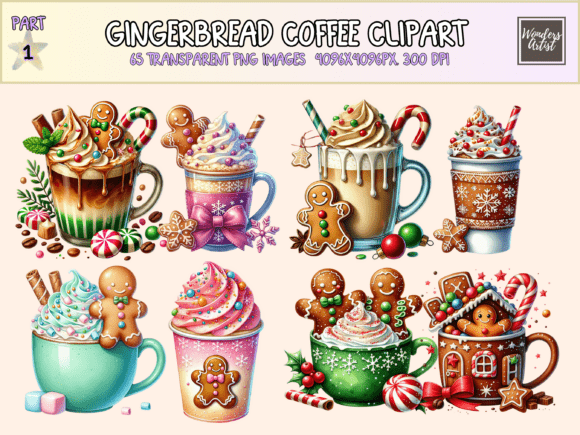
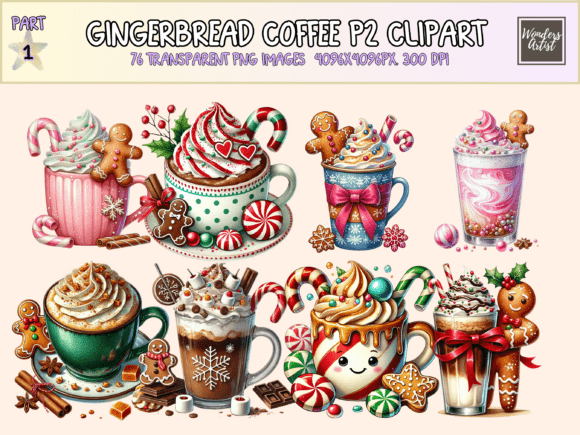
The moment you view Gingerbread Coffee P2 Clipart, it communicates a very specific mood: cozy, warm, and inviting. It taps into that universal desire for comfort during the colder months. Visually, the shape is clean enough to be recognizable even when stitched down, which is crucial. The layout feels balanced, avoiding the cluttered look that often plagues busy holiday designs. It doesn’t scream for attention with neon colors or chaotic patterns; instead, it whispers warmth through its composition.
For a machine embroidery design, this balance is vital. If the detail level is too high, the stitching can become muddy. If it’s too simple, it lacks character. This clipart strikes a middle ground that suggests it would work beautifully as a focal point on apparel or home goods. It has a distinct visual personality that aligns perfectly with boutique branding, offering a professional yet approachable aesthetic that customers respond to positively.
Real-World Application: From Screen to Stitch
Let’s talk about where this design actually lives. Imagine you are preparing a custom embroidered tote bag for an upcoming craft fair. You want something that says "holiday spirit" without looking cheap. Gingerbread Coffee P2 Clipart fits that niche perfectly. When placed on a canvas tote, it acts as a charming accent that complements the rugged texture of the fabric rather than fighting against it.
I also see this performing exceptionally well on soft goods like sweatshirts and baby clothes. For a sweatshirt embroidery project, the design offers a nostalgic feel that resonates with adults who enjoy festive fashion. However, if you are targeting the baby embroidery market, the softer lines make it appropriate for onesies or burp cloths, provided the color palette is kept gentle. It’s versatile enough to transition from a commercial embroidery item sold in a shop to a heartfelt personalized gift for a friend.
Consider the scenario of a small business owner creating a line of kitchen towels. A coffee-themed gingerbread motif is not only thematic for winter but also practical for a product used daily. When stitched onto a tea towel, the design becomes part of the user’s routine, increasing brand visibility every time they brew their morning cup. This kind of utility-driven design choice is what separates successful Etsy seller listings from those that get lost in the noise.
Where Caution Is Required
While the design has strengths, no file is perfect for every surface. There are specific scenarios where Gingerbread Coffee P2 Clipart needs careful consideration. First, avoid placing intricate details on curved surfaces like caps unless you have extensive experience with cap hoops. The curvature can distort the symmetry, making the gingerbread figure look warped. Similarly, textured fabrics such as heavy tweeds or bouclé wool can obscure the finer threads, turning a crisp design into a blurry mess.
Thin or stretchy fabrics present another challenge. Without proper stabilization, the weight of the thread can cause puckering, ruining the drape of the garment. If you are working with dark fabric, you must ensure your thread colors provide enough contrast. A light-colored gingerbread figure on black fabric might require excessive underlay stitches, which adds bulk and stiffness to the final product. Additionally, be wary of dense stitch areas. If the original vector has tight clusters of detail, converting this to a digital embroidery file might result in needle breaks or thread jams, especially on older machines.
Impact on Product Value and Customer Trust
The quality of your embroidery directly influences customer trust. A poorly executed design can make a handmade product look amateurish, while a well-stitched one elevates the perceived value. Gingerbread Coffee P2 Clipart, when handled correctly, signals professionalism. It shows that you care about the details, which encourages buyers to pay a premium price. In the world of handmade products, presentation is everything. A clean finish with consistent stitch density tells the buyer that you are a serious creator.
This design also enhances giftability. Holiday items are often purchased as gifts, and recipients appreciate designs that feel thoughtful rather than mass-produced. By using a unique clipart like this, you differentiate your offerings from generic store-bought decorations. It creates a sense of recognition among your target audience, who begin to associate that specific style with your brand. Over time, this consistency builds a loyal customer base that returns for more design assets and finished goods.
Practical Designer Notes for Execution
Before you load this file into your machine, there are several technical steps you must take. First and foremost, test the design on scrap fabric. This allows you to check thread color contrast and inspect how the fill stitch and satin stitch elements interact with your chosen material. Pay close attention to the hoop size; ensuring the design fits comfortably within your hoop prevents unnecessary trimming and reduces the risk of misalignment.
It is also wise to inspect small details closely. Use a magnifying glass or zoom in on your screen to identify any tiny elements that might get lost in the stitching process. If you find areas that are too fine, consider simplifying the design digitally before embroidering. Testing the file in black and white mockups can help you visualize the silhouette and ensure readability. Furthermore, compare how the design looks on both light and dark backgrounds to determine the best thread palette.
Always use a proper stabilizer matched to your fabric type. For woven cottons, a cut-away stabilizer provides lasting support, while tear-away may suffice for temporary projects like embroidered patches. Check whether the design works for both personal and commercial purposes by reviewing the license terms. If you plan to sell finished items, you need explicit permission to use the clipart commercially. Ignoring licensing can lead to legal issues that jeopardize your craft business.
Final Verdict
Gingerbread Coffee P2 Clipart is a solid addition to any designer’s library for the holiday season. It offers a blend of charm and versatility that suits a wide range of applications, from custom apparel to home decor. However, its success hinges on your ability to manage stitch density, fabric choice, and stabilization. By approaching the digitization and execution with care, you can transform this digital illustration into a tangible, high-quality finished product that delights customers and strengthens your brand. Just remember to verify all technical specifications and licensing rights before committing to production.