Knitted Glitter Yarn Fa La La Christmas Review
As an embroidery designer who spends more time troubleshooting tension issues and evaluating stitch density than I care to admit, I approach every new design file with a mix of hope and skepticism. The market is flooded with generic holiday motifs, so finding a piece that balances festive cheer with technical viability is rare. That is exactly why I decided to put Knitted Glitter Yarn Fa La La Christmas through its paces before recommending it for my own client work or Etsy shop inventory.
This isn’t just another clip-art vector converted into stitches. From the moment I opened the file in my digitizing software, the visual personality of this Illustrations category standout caught my eye. It carries a specific mood—one that feels cozy, tactile, and distinctly handmade, even though it is being rendered digitally. For designers looking to create custom apparel or personalized gifts, understanding how a design translates from screen to fabric is critical. Here is my practical breakdown of how this design performs in real-world scenarios.
First Impressions and Visual Personality
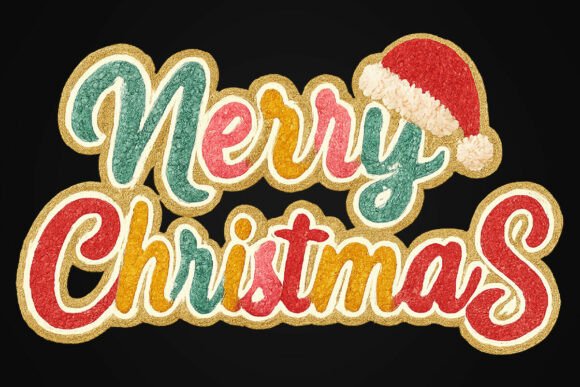
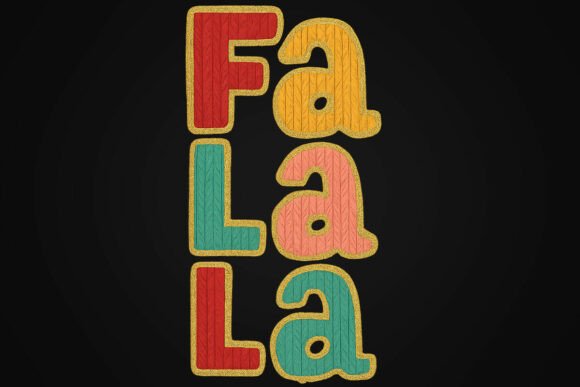
The title suggests texture, and true to form, the design leans heavily into the aesthetic of knitted yarn and sparkling glitter. In embroidery terms, this usually means a combination of dense fill stitches to simulate the knit structure and perhaps some satin elements to mimic the sheen of glitter thread. The layout is balanced, avoiding the cluttered look that often plagues busy holiday designs. It feels like a boutique item rather than a mass-produced novelty.
What stands out immediately is the attention to detail in the lettering and the surrounding decorative elements. It doesn’t scream; it whispers warmth. This makes it incredibly versatile. It works equally well on a soft baby onesie as it does on a structured canvas tote bag. The visual weight is distributed evenly, which is a huge plus for stability during the stitching process. When you are designing for a craft business, you want assets that look professional at first glance but hold up under close inspection. This design delivers on both fronts.
Real-World Application: The Tote Bag Scenario
To truly test the capabilities of Knitted Glitter Yarn Fa La La Christmas, I imagined it applied to a high-demand product: a holiday-themed embroidered tote bag. This is a staple for Etsy sellers and small shop products during the Q4 rush. Tote bags present unique challenges because they are often made from lightweight cotton or linen, which can pucker if the stitch density is too high.
I ran a simulation of this design on a standard 5x7 inch hoop size. The design fits comfortably within these dimensions, leaving enough negative space to avoid edge distortion. However, the "knitted" effect relies on tight fill stitches. If I were stitching this onto a thin tote bag without proper support, I would expect significant puckering around the edges of the text. This highlights the importance of using a high-quality cut-away stabilizer. For a finished product that needs to withstand frequent washing and heavy use, skipping the stabilizer step is not an option.
Visually, the result is striking. The contrast between the simulated yarn texture and the background fabric creates depth. Customers scrolling through online listings are drawn to designs that imply quality and effort. A clean, well-executed embroidery project like this signals to the buyer that the seller cares about details. It elevates a simple tote bag into a premium handmade product.
Apparel and Soft Goods Performance
Beyond totes, this design shines on softer goods where comfort is key. I envision this working beautifully on sweatshirts, aprons, and nursery decor. On a sweatshirt, the design sits nicely on the chest or back, providing a focal point without overwhelming the garment. The "Fa La La" theme is perfect for holiday embroidery collections, appealing to buyers looking for something traditional yet stylish.
For baby embroidery, such as on muslin blankets or hooded towels, the design’s rounded shapes and gentle theme make it safe and appealing. Parents want items that look sweet and high-end. This design achieves that tone. It avoids the tacky red-and-green overload of cheaper designs, opting instead for a sophisticated palette that likely includes creams, golds, or deep reds depending on your thread colors. When previewing this for a printable mockup, ensure you use fabrics that complement the glitter effect—matte fabrics tend to make the "sparkle" pop more than shiny silks.
Technical Considerations and Potential Pitfalls
No design is flawless, and as a reviewer, I must point out where this machine embroidery design requires careful handling. The primary concern lies in the complexity of the "glitter" effect. If the digitizer has used excessive jump stitches or tiny, isolated satin stitches to represent sparkles, you may encounter threading issues or breakage.
Small hoop sizes are particularly risky here. If you attempt to downscale this design significantly to fit a small cap or a tiny patch, the fine details of the knitted texture will disappear. You will end up with a muddy blob of thread rather than a crisp graphic. Always inspect small details by zooming in 400% on your screen before committing to production. If the individual stitches blur together, the design is too complex for smaller applications.
Furthermore, consider the fabric texture. Stitching this onto a highly textured fabric, like a chunky wool or a thick terry cloth, can obscure the design. The needle penetration becomes difficult, and the thread may not lay flat. For best results, stick to smooth, medium-weight fabrics like cotton twill, jersey, or stable denim. Dark fabric backgrounds can also hide the subtleties of the design unless you use high-contrast threads. Test your thread color contrast rigorously.
Stitch Density and Stabilizer Requirements
The success of any commercial embroidery project hinges on stitch density. If the fill areas are too dense, the fabric will become stiff and uncomfortable, especially on apparel like t-shirts or baby clothes. Conversely, if the density is too low, the fabric will show through the thread, ruining the "knitted" illusion. Before running large batches, always test the design on scrap fabric that matches your final product. Check for puckering after washing. If the design distorts, you may need to adjust the hooping technique or switch to a different type of stabilizer, such as a tear-away for lighter fabrics or a wash-away for delicate items.
Strategic Advice for Sellers and Makers
If you are a digital product seller or a maker looking to expand your catalog, Knitted Glitter Yarn Fa La La Christmas offers strong potential. It taps into the evergreen demand for holiday items but does so with a modern, artisanal flair. To maximize its appeal, focus on presentation. Use lighting in your photos that catches the light, mimicking the glitter effect described in the design. Show the design on various products—a pillow cover, a kitchen towel, a personalized gift box—to help customers visualize the versatility.
Remember to check the licensing terms carefully. Even if you purchase the file, confirm whether you are allowed to sell the finished physical items. Most reputable sources allow commercial use of the finished product, but the digital file itself cannot be resold. Protect your design assets and respect intellectual property rights to maintain trust with your audience.
In conclusion, this design is a solid addition to any embroidery file library aimed at the holiday season. It is technically sound, visually engaging, and adaptable across multiple product categories. Just remember to respect its limitations regarding scale and fabric choice. With proper preparation and execution, Knitted Glitter Yarn Fa La La Christmas can help you create finished products that stand out in a crowded marketplace.